

Felony vs. Misdemeanor in Minnesota: Key Differences and Penalties Explained
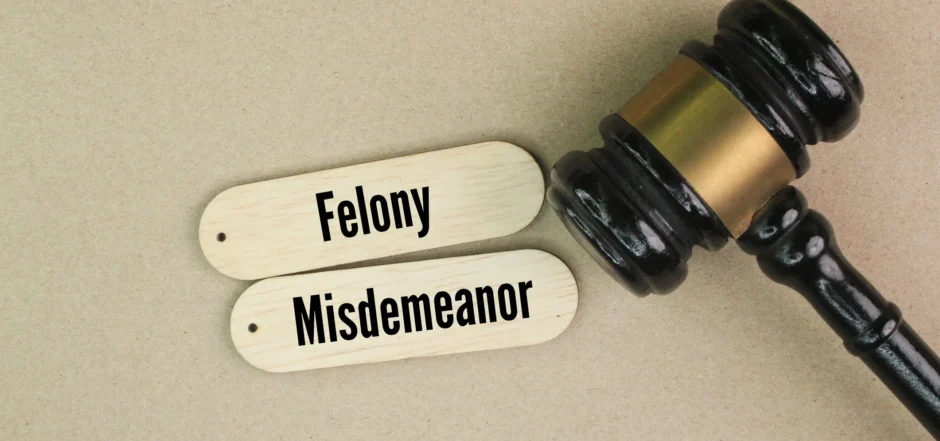
In general, a felony in Minnesota is punishable by more than one year in prison. In contrast, a misdemeanor is punishable by up to 90 days in jail and a $1,000 fine, while a gross misdemeanor can mean up to one year in jail and $3,000 in fines. The classification of a charge can affect the court process, potential penalties, and the long-term impact on your criminal record.
How Minnesota Ranks Criminal Charges
The charge determines the maximum penalty, potential fines, and how the case proceeds through the court system. Minnesota Statutes § 609.02 classifies crimes into three different levels, from most to least serious:
- Felony
- Gross misdemeanor
- Misdemeanor
The difference between these classifications affects more than the potential sentence. It can determine the court process, the right to a jury trial, and how a criminal record may affect future opportunities.
Felonies in Minnesota
A felony is the most serious criminal offense, punishable by more than one year in prison. The actual sentence depends on the charge, your criminal history, and Minnesota’s sentencing guidelines. Offenses commonly charged as felonies include the following:
- Aggravated robbery and armed robbery
- Fourth-time (or subsequent) drunk driving within ten years
- Assault that causes real bodily harm or assault with a weapon
- High-level drug distribution or possession
- Criminal sexual conduct
Some offenses, including wire fraud and large-scale drug conspiracies, may be prosecuted as federal crimes, where separate courts, procedures, and sentencing rules apply.
Misdemeanors and Gross Misdemeanors
Two lighter classifications sit below felonies, each with its own penalty range. A gross misdemeanor is the more serious of the two, with a maximum of one year in jail and a $3,000 fine.
A standard misdemeanor stops at 90 days in jail and a $1,000 fine, a real difference from the gross misdemeanor tier that changes how prosecutors and judges treat the same underlying conduct. Everyday charges show how these levels play out:
- Gross misdemeanor: Second-time drunk driving, certain theft amounts, and driving after a license cancellation often land here.
- Misdemeanor: First-time drunk driving, disorderly conduct, and low-value shoplifting usually sit at this level.
One detail catches many people off guard: a judge sets the final level by the sentence actually imposed, not by the charge written on day one.
A case filed as a gross misdemeanor can end as a misdemeanor on your record when the sentence stays under 91 days, which is why the outcome you negotiate matters as much as the label you start with. A sound criminal defense strategy often aims at exactly that kind of reduction.
How the Charge Level Affects Your Court Process
Every criminal case in Minnesota starts in district court, but the level of the charge decides how long the road is. A felony usually moves through a first appearance, an omnibus hearing where a judge reviews the evidence, and only then a trial. The most serious felonies can require a grand jury before charges even stick.
A misdemeanor often resolves at an early pretrial hearing without a jury ever being seated. You keep the right to a jury trial for any offense that carries possible jail time, yet most lower-level cases end in a plea long before that point.
When a Felony Can Become a Misdemeanor
Minnesota law lets some charges cross the line between categories, which is why the starting label is not always the ending one. Certain felonies can be reduced to a gross misdemeanor or misdemeanor when a defendant finishes probation without a new offense.
A judge can also “stay” a felony sentence, holding it in reserve while you meet set conditions, then lower the level once you complete them. The reverse happens too: a repeat offense can push a misdemeanor up to a gross misdemeanor, and patterns like repeat domestic assault can climb all the way to a felony.
These reductions only happen when someone is actively negotiating for them, which is why getting a defense attorney involved before sentencing gives you the best shot at ending up with the lower classification.
The Long-Term Weight of a Conviction
A criminal record does not fade on its own. Long after jail time ends, the level of your conviction affects background checks, job applications, and rental screenings, and the heavier the classification, the longer the shadow it casts. The most common ripple effects include:
- Employment challenges
- Housing application denials
- Professional licensing issues
- Loss of firearm rights
- Voting restrictions during incarceration
- Immigration consequences for noncitizens
- Higher penalties for future offenses
- Difficulty passing background checks
- Educational and financial aid impacts
- Limited expungement eligibility
Not every case ends in a conviction, and the level of a charge can drop or disappear before trial ever arrives. Charges get reduced or thrown out more often than people expect when the evidence does not hold up. Where your case finally lands on this scale is rarely fixed the day the paperwork is filed.
Get Straight Answers About Felonies Versus Misdemeanors
Charges don’t wait for you to feel ready, and the moves you make in the first days can affect everything that comes after. Bring the details to Capitol City Law Group, where our attorneys will explain where your case sits and what choices you have during a free consultation.
We bring over 50 years of combined experience to the table, so call 651-705-6311 or contact our firm online to find out where you stand.
50+ Years Of Collective Experience
A Proven Track Record of Success
Trial-Tested, Zealous Legal Advocacy
Represent Cases At All Court Levels
Accomplished Trial Lawyers
Fields marked with an * are required
"*" indicates required fields
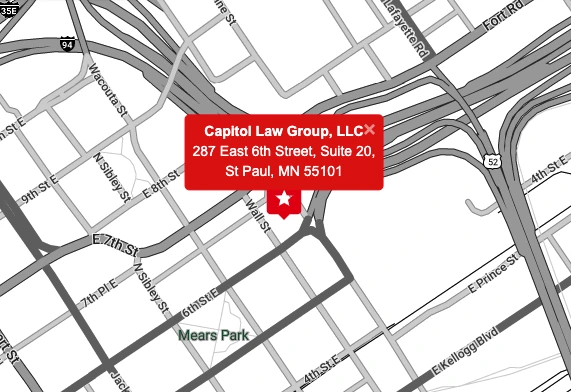


The Capitol City Law Group office is located in St. Paul, making it convenient to access attorneys in Minneapolis, St. Paul, and the Twin Cities metro area. We also serve the greater Minnesota area. We know that employment law and criminal defense concerns may require more immediate attention; please contact A.L. Brown, Marcus L. Almon, or Jennifer R. Congdon.
© 2026 Capitol City Law Group. All Rights Reserved.
