

What is Exoneration?
 Exoneration is a powerful word in the legal world. It represents more than just a legal outcome; it marks the moment when someone who was once convicted of a crime is officially declared not guilty. But what does exonerate mean in law, and how does the process work? Whether you’re asking “what is exoneration?” out of personal interest or because someone you love is affected, this guide explains everything you need to know about exoneration in the United States.
If you believe you or someone you care about was wrongfully convicted, the exoneration attorneys at Capitol City Law Group are here to help. We offer free consultations and can guide you through the complex process of seeking exoneration. Contact our criminal defense lawyers at (651) 705-6311 to discuss your case.
What Does Exonerated Mean in Law?
The legal definition of exoneration is the official clearing of a person’s name from guilt or blame. It typically applies when a person has been convicted of a crime and later proven to be innocent. When a court sets aside a conviction, vacates a judgment, or dismisses all charges based on new evidence, that person is said to have been exonerated.
What Is an Exoneration?
What is an exoneration in practical terms? It’s a legal process that can include post-conviction motions, DNA testing, or the discovery of new evidence. It may also involve proving that a witness lied, that the prosecution withheld key information, or that misconduct occurred during the original investigation or trial.
What Does It Mean to Be Exonerated?
To be exonerated is to be officially declared innocent after a wrongful conviction. This can be a life-changing event. While exoneration clears your name legally, it does not automatically wipe away the impact the conviction may have had on your life, such as job loss, damaged reputation, or time served in prison.
Common Reasons for Exoneration
So, what is exoneration usually based on? These are the most common causes:
- DNA Evidence: Post-conviction DNA testing proves the defendant was not the source of the evidence.
- False Confessions: Individuals—especially minors or those with mental limitations—may have confessed under pressure.
- Eyewitness Misidentification: Mistaken identity is a significant factor in wrongful convictions.
- Police or Prosecutorial Misconduct: Withholding evidence or tampering with witnesses can lead to false verdicts.
- Ineffective Legal Representation: When a trial attorney fails to properly defend the accused, the outcome may be overturned.
Each of these factors can support efforts to have a case reviewed, dismissed, or overturned, leading to a formal exoneration.
What Does Exoneration Mean for the Legal System?
What does exoneration mean? Understanding this concept requires looking at its broader impact. Exonerations expose weaknesses in the criminal justice system. Each time someone is exonerated, it means the system convicted the wrong person. Not only does this harm the innocent person, but it may also allow the actual perpetrator to remain free.
What Is an Exoneration Lawyer?
Exoneration lawyers focus on handling post-conviction cases, working to overturn wrongful convictions. They investigate old cases, file motions for new trials, request DNA testing, and argue for release based on new evidence.
These lawyers play a vital role in helping innocent people navigate the legal system after a conviction. If you’re considering hiring one, make sure they have experience with appeals, post-conviction relief, and working with innocence organizations.
How to Seek Exoneration
If you’re wondering how someone becomes exonerated, here’s a general outline:
- New Evidence Is Discovered: This might be a recantation, a new witness, or a forensic test.
- Legal Petition Is Filed: An exoneration lawyer files a motion asking the court to vacate the conviction.
- Court Reviews the Case: A judge may grant a hearing to evaluate the new evidence.
- Charges Are Dismissed or Overturned: If the court agrees, the conviction may be vacated and charges dropped.
- Official Exoneration: The court or prosecution may issue a formal declaration or letter of exoneration.
Why Exoneration Matters
To truly grasp what it means to be exonerated, you have to understand that it’s not just a legal label; rather, it’s a correction of one of the gravest mistakes the justice system can make. For many exonerees, rebuilding life after prison is difficult, but exoneration gives them the first step toward justice, freedom, and restoration. Under Minnesota law, they may even be entitled to compensation.
Need Help With an Exoneration Case?
At Capitol City Law Group, we recognize the importance of uncovering the truth and defending those who are wrongly accused. If you or a loved one needs help pursuing exoneration in Minnesota, especially in Minneapolis or St. Paul, or are wondering what is exonerated, our team is ready to listen and take action. Call (651) 705-6311 today or contact us online to schedule a free consultation with our experienced defense attorneys.
50+ Years Of Collective Experience
A Proven Track Record of Success
Trial-Tested, Zealous Legal Advocacy
Represent Cases At All Court Levels
Accomplished Trial Lawyers
Fields marked with an * are required
"*" indicates required fields
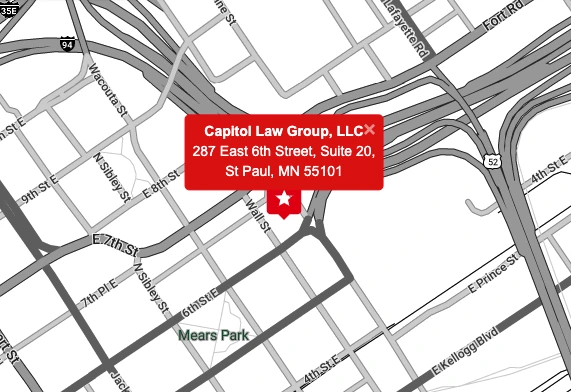


The Capitol City Law Group office is located in St. Paul, making it convenient to access attorneys in Minneapolis, St. Paul, and the Twin Cities metro area. We also serve the greater Minnesota area. We know that employment law and criminal defense concerns may require more immediate attention; please contact A.L. Brown, Marcus L. Almon, or Jennifer R. Congdon.
© 2026 Capitol City Law Group. All Rights Reserved.
