

Minneapolis Employment Agreements & Contract Lawyer
 Employment contracts serve as the legal foundation governing the relationship between employers and employees, affirming rights, responsibilities, and expectations for both parties. These binding documents define compensation structures, job duties, benefits, termination conditions, and various restrictive covenants that can significantly impact your career trajectory and financial future.
At Capitol City Law Group, we understand how much can be at stake when you are asked to sign, enforce, or challenge an employment agreement. We take the time to explain what the contract really means and how it may affect you before you move forward. Call (651) 705-6311 to schedule a free consultation and speak with a Minnesota employment lawyer who will put your interests first.
Protecting Your Rights at Work
 Employment contracts are legally binding agreements that outline the terms and conditions of your work relationship with an employer. These documents establish crucial details, including compensation, benefits, job responsibilities, termination procedures, and non-compete clauses. They matter because they protect both parties’ interests and provide clarity when disputes arise.
A well-drafted employment contract ensures you understand your rights, obligations, and what you’re entitled to receive. Whether you’re signing your first contract or negotiating a new position, a familiarity with these terms helps prevent misunderstandings and ensures fair treatment throughout your employment.
Navigating Minnesota’s 2023 Non-Compete Agreement Ban
Minnesota’s 2023 non-compete ban significantly changed employment law by prohibiting non-compete agreements for most workers. However, exceptions exist for certain executive-level positions and the sale of businesses. If you signed a non-compete before the ban took effect, questions about its enforceability can be complex. An employment contract lawyer can help you understand whether your agreement falls under the ban’s exceptions and what restrictions, if any, still apply to your career mobility.
Executive Compensation, RSUs, and Equity Packages
Executive compensation often extends beyond base salary to include restricted stock units (RSUs), stock options, profit-sharing arrangements, and performance bonuses. These equity packages can represent substantial value but come with complex vesting schedules, tax implications, and forfeiture conditions.
You should know what you’re entitled to upon termination or resignation under your contract, as companies may have different policies for voluntary departures versus layoffs.
Breach of Contract and Severance Disputes in Minnesota
When employers fail to honor contract terms, whether related to compensation, benefits, or termination procedures, you may have grounds for a breach of contract claim. Severance agreements also require careful review, as they often include release clauses waiving your right to future claims. Before signing any severance package, have an employment attorney review the terms to ensure you’re receiving fair compensation and not unknowingly surrendering valuable rights.
2026 Compliance: Minnesota Paid Leave and Earned Sick & Safe Time
Minnesota’s Earned Sick and Safe Time law requires employers to provide paid leave for illness, medical appointments, and safety-related absences. When you are aware of your rights under this law, including accrual rates and permissible uses, it helps to ensure your employer remains compliant.
Frequently Asked Questions
Is my old Minnesota non-compete still valid in 2026?
It depends on when you signed it and whether you qualify for the executive exception; always consult an employment contract lawyer for a definitive answer.
Do I need a lawyer to review a severance offer in Minneapolis?
Yes, an attorney can identify unfavorable terms and negotiate better compensation or benefits. They can prevent you from signing something that minimizes your rights.
Can an employer change my commission structure without a new contract?
Generally, no, as changes to compensation terms typically require your agreement or constitute a contract breach.
What should employees look for in contracts?
Employees should carefully examine compensation terms, including base salary, bonuses, commissions, and benefits. Review non-compete and non-solicitation clauses, termination provisions, severance terms, notice requirements, confidentiality obligations, and dispute resolution procedures.
When is legal review of contracts most important?
Legal review is important when accepting executive or senior-level positions with complex compensation structures, when contracts contain non-compete or non-solicitation clauses, or when you’re transitioning from at-will employment to a fixed-term agreement.
How does Minnesota law affect employment agreements?
Minnesota law requires employers to provide written notice of at-will employment status and restricts non-compete agreements to protect employee mobility. The state enforces reasonable confidentiality provisions while limiting overly broad restrictive covenants.
Why Choose Capitol City Law Group?
Capitol City Law Group brings over 50 years of collective experience representing clients in employment contract matters throughout Minnesota. With a proven track record of success, our firm stands respected for a reason, and we remain ready to fight for favorable outcomes while protecting the rights you have worked hard to earn.
We are trial-tested employment agreements and contract lawyers who understand how to present cases effectively when disputes cannot be resolved through negotiation. Our attorneys combine competent legal analysis with effective courtroom advocacy, ensuring you receive zealous legal advocacy at every stage of your case. When your career and livelihood depend on the outcome, you deserve attorneys who will stand beside you and fight for what you deserve.
Contact an Experienced Employment Agreements and Contract Lawyer
Employment contracts affect every aspect of your professional life, from daily responsibilities to long-term career opportunities. Do not leave these important matters to chance or assume that standard contract language adequately protects your interests.
Whether you need help negotiating a new employment agreement, reviewing a contract before signing, or resolving a dispute over existing terms, Capitol City Law Group provides competent and effective representation. Contact us at (651) 705-6311 or complete our online contact form to schedule a free consultation with us, because we will advocate for your rights and your future.
50+ Years Of Collective Experience
A Proven Track Record of Success
Trial-Tested, Zealous Legal Advocacy
Represent Cases At All Court Levels
Accomplished Trial Lawyers
Fields marked with an * are required
"*" indicates required fields
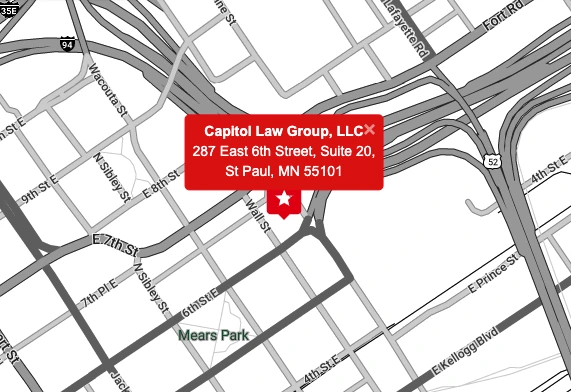


The Capitol City Law Group office is located in St. Paul, making it convenient to access attorneys in Minneapolis, St. Paul, and the Twin Cities metro area. We also serve the greater Minnesota area. We know that employment law and criminal defense concerns may require more immediate attention; please contact A.L. Brown, Marcus L. Almon, or Jennifer R. Congdon.
© 2026 Capitol City Law Group. All Rights Reserved.
